We use cookies to make your experience better. To comply with the new e-Privacy directive, we need to ask for your consent to set the cookies. Learn more.

Protecting Artwork and Posters with Mailing Tubes
If your business is mailing artwork, posters, or other forms of print through the post, presentation and protection matter. Whether you’re fulfilling online orders or sending promotional material, you won’t want your items to arrive damaged or creased because this can affect their appearance and impact how recipients view your brand.
Mailing tubes have become popular for businesses looking to give their artwork and posters a much better chance of arriving in good condition, helping prevent bending and creasing, as well as offering protection from moisture and dust. Not only can you help your prints reach their destination safely with mailing tubes, but you can also show your commitment to quality and customer satisfaction, which will likely reflect well on your brand. Let’s explore the key benefits of mailing tubes in more detail.
What Are Mailing Tubes?
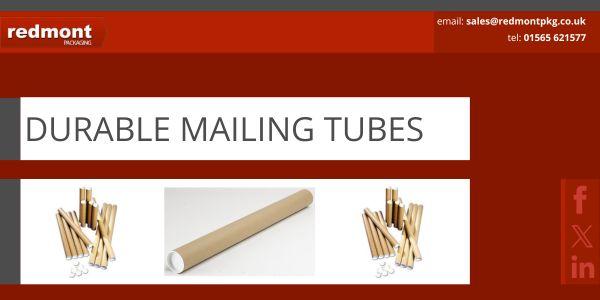
Mailing tubes are cylindrical packaging containers designed to protect rolled materials during shipping. Most are made from sturdy cardboard and come with secure end caps to keep contents safe. They can also be found in a variety of diameters and lengths to accommodate things like small certificates and large architectural plans.What Are the Key Benefits of Mailing Tubes?
-
Superior Protection Against Bending and Creasing
-
Shield Products from Moisture and Dust
-
Space-Saving and Efficient
-
Ideal for Large, Odd-Sized, or Oversized Pieces
Choosing the Right Mailing Tube
Selecting the right mailing tube for your prints is also important. Taking a moment to match your tube to the specific needs of your item can make delivery even safer and presentation even more professional. Here’s what to consider when choosing the right one for your needs:Size and Diameter
Make sure you select a tube that allows your artwork to be rolled comfortably without being too tight, which could cause curling, or too loose, which may allow shifting in transit. For delicate items, a slightly larger diameter can help further reduce the risk of creasing.Tube Length
Choose a mailing tube that matches or slightly exceeds the length of your artwork when rolled. This helps prevent unnecessary movement inside the tube and avoids having to trim your prints.Secure End Caps
Check that your tube’s end caps fit tightly and won’t pop open during shipping. Some tubes may even come with locking or tamper-evident lids for additional peace of mind.Material
Consider whether you want recyclable tubes. If sustainability is important to your business, look for ones made from materials like cardboard.How to Prepare Artwork for Mailing Tubes
Proper preparation is another way to help your artwork, posters, or prints arrive in the best possible condition. With a few simple steps, you can properly prepare your items for postage and make an even bigger difference in their safety and presentation. Here’s how you can prepare your artwork for mailing tubes:-
Use Protective Layers
Begin by placing a sheet of acid-free tissue paper on both the front and back of your print. This helps prevent scuffing, smudging, or ink transfer, especially for glossy or freshly printed items. For multiple prints, layer tissue paper between each piece. -
Roll Gently and Evenly
Roll your artwork slowly, starting with the image or printed side facing outward for thicker paper or inward for more flexible prints. Avoid rolling too tightly, as this can cause the item to curl excessively or even crack delicate finishes. Aim for a gentle, even roll that fits comfortably inside your chosen tube. -
Secure the Roll
Instead of using adhesive tape directly on your print, use a soft paper band or a piece of ribbon to keep the artwork rolled. This makes it easier for the recipient to unroll without risk of damage. If you’re shipping multiple items together, consider securing each print individually before bundling. -
Cushion the Ends
Place a small pad of bubble wrap, soft foam, or extra tissue paper at both ends of the tube. This cushions the artwork and prevents it from sliding back and forth during shipping, which can cause edge wear or dents. -
Insert Carefully
Slide your rolled artwork into the tube gently, ensuring it’s not forced or crammed. For longer prints, double-check that nothing is protruding or at risk of catching on the edge caps. -
Seal Securely
Once your print is inside, fit the end caps tightly and reinforce them with strong packing tape if needed. This prevents accidental openings in transit and adds an extra layer of security, especially if the tube will be handled frequently or over long distances.