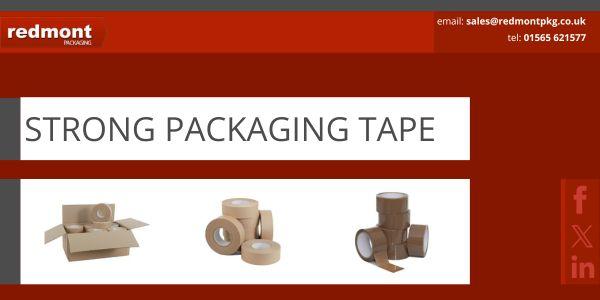
Polypropylene tape is an essential packing product that most businesses rely on daily without ever stopping to think about how or why it works so well. From sealing cartons in busy warehouses to securing parcels for long-distance shipping, we know it plays a quiet but critical role in keeping goods protected in transit. What makes polypropylene tape particularly interesting is that its reliable nature isn’t accidental and, in fact, is the result of carefully engineered materials, adhesive chemistry, and physical properties that all work together to create a strong, dependable bond on a wide range of surfaces in various environmental conditions. By understanding the science behind polypropylene tape adhesion, we believe that businesses can really begin to appreciate a mailing item that’s often given little thought, as well as have an easier time choosing the right tape for their needs and applying it more effectively. So, what exactly is polypropylene tape, and how does it work?
What is Polypropylene Tape?
Polypropylene tape, sometimes referred to as BOPP tape (biaxially orientated polypropylene), is a plastic-based packaging tape designed specifically for sealing cartons and parcels. The tape consists of two main components: the polypropylene film backing and a pressure-sensitive adhesive coating, and each of these elements contributes to the tape’s overall strength, flexible qualities, and sticking power. Polypropylene itself is a thermoplastic polymer known for being lightweight, strong, and resistant to moisture and chemicals, and when stretched in two directions during manufacturing, it becomes biaxially orientated, which significantly improves its tensile strength and tear resistance. This makes the tape strong enough to withstand the stresses of handling, stacking, and transportation without snapping or splitting.
How the Pressure-Sensitive Adhesion Works
Polypropylene tape relies on pressure-sensitive adhesive technology, which means that unlike glues that need water, heat, or time to cure, the tape is able to form a bond as soon as pressure is applied. When you press the tape onto a box, the adhesive flows into the tiny pores on the surface of the cardboard, and this creates intimate contact between the adhesive and the surface, allowing molecular forces to take hold. These forces are not chemical bonds in the traditional sense. Instead, they are physical interactions, primarily
van der Waals forces, which occur when molecules are close enough to attract each other. The more surface area the adhesive can contact, the stronger the bond becomes. This is why applying firm, even pressure when taping a box is so important, as with little pressure, the adhesive cannot fully engage with the surface, potentially resulting in weaker adhesion. This type of adhesion also explains why polypropylene tape can be removed without damaging most surfaces, as, since the bond is physical rather than chemical, it can be broken simply by peeling.
The Role of Adhesive Formulations in Polypropylene Tape
Not all polypropylene tapes stick in exactly the same way, and the adhesive formulation plays a major role in how the tape performs under different conditions. The most common adhesive types used on polypropylene tape are acrylic, hot melt, and solvent-based adhesives, and each type has its own strengths. Acrylic adhesives are popular for their stability and long-term performance. They’re resistant to ageing, UV light, and temperature fluctuations, which makes them ideal for boxes that may be stored for long periods. Acrylic adhesives also perform well in a wide range of temperatures, although they generally need a bit more pressure during application to achieve a strong initial bond.
Hot melt adhesives are designed for instant tack. They can grab quickly and provide a strong bond almost immediately, which is particularly useful in fast-paced packing environments such as warehouses. However, hot melt adhesives can be more sensitive to high temperatures, which may affect performance if packages are exposed to heat during transit. Solvent-based adhesives offer excellent adhesion and are incredibly hard-wearing, especially in challenging conditions such as cold storage or high humidity, and they’re often used in industrial or export packaging.
Why Polypropylene Tape Works So Well on Cardboard
One reason polypropylene tape performs so reliably on cardboard is surface energy, which refers to how receptive a surface is to being coated by an adhesive. Cardboard has relatively high surface energy, which allows the adhesive to spread out and make good contact, which creates a strong bond that holds up well during handling and transport. Polypropylene tape is less effective on very low surface energy materials such as certain plastics or heavily coated surfaces. In these cases, the adhesive may struggle to spread properly, resulting in reduced adhesion. This is why polypropylene tape is primarily designed for carton sealing rather than specialised applications involving smooth plastics or metals.
Why Businesses Trust Polypropylene Tape
There are many reasons why businesses have come to trust polypropylene tape for sealing their packages. From a practical standpoint, businesses need materials that behave consistently, regardless of volume or speed, and polypropylene tape offers strong initial adhesion, dependable holding power, and resistance to tearing, all at a cost that makes it a trusted option for frequent use. It’s also compatible with manual and automated tape dispensers, which allows for smooth unwinding, consistent thickness, and uniform adhesive application to make sure that seals are applied efficiently and securely, reducing downtime and packaging errors. When these aspects are combined with correct application techniques, such as applying tape to clean, dry surfaces and using adequate pressure, polypropylene tape is able to deliver a level of performance that has made it a popular option for sealing
boxes and cartons.
End Note
Polypropylene tape has become a popular mailing item thanks to its material strength and adhesive technology. Its ability to create an instant, secure bond, especially on cardboard, makes it ideal for the fast-paced demands of shipping, warehousing, and e-commerce. When businesses understand how and why this tape performs so well, from the role of pressure-sensitive adhesives to the importance of surface energy, they can be better equipped to make smart packaging decisions. In the end, it's efficiency, combined with a versatile and reliable nature, that makes polypropylene tape a go-to solution for companies that can’t afford to compromise on seal strength, and we believe these qualities make it suitable for your business as well.
So, if you’re looking for reliable polypropylene tape that won’t let you down, we’ve got exactly what you need at Redmont. Our high-quality tape is great for securing cardboard boxes quickly and securely, no matter if you're packing orders in bulk or preparing parcels for shipping. We also offer printed polypropylene tape with clear, bold messages like 'fragile' and 'handle with care', which not only reinforces your packaging but also helps protect your goods in transit by alerting handlers to take extra care. Plus, we supply a full range of cardboard boxes, meaning you can source the packaging materials you need in one place. Remember that when you shop at Redmont, you can get strong adhesion, professional presentation, and dependable products that keep your business moving smoothly.
Browse our website today to discover our packaging tape and cardboard boxes today, or if you have any questions, please
contact us.