We use cookies to make your experience better. To comply with the new e-Privacy directive, we need to ask for your consent to set the cookies. Learn more.

Packaging Tape for Cold and Damp Conditions – What Works Best?
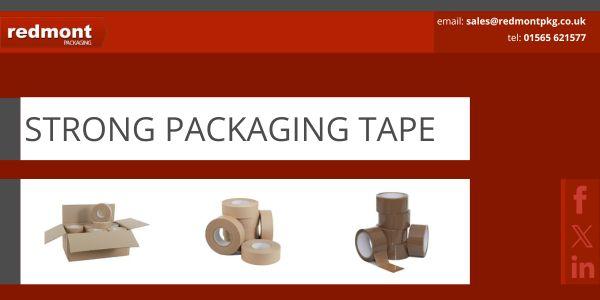
Not every business has the luxury of packing parcels in a warm, temperature-controlled environment. Warehouses, loading bays and storage areas can become particularly cold during winter, whilst humidity, condensation and outdoor exposure can introduce moisture into the packing process. These conditions can affect how effectively packaging tape bonds to cardboard. Cold temperatures can influence adhesive performance, whilst damp or wet surfaces can make it harder for tape to form a reliable seal.
So, what works best? The most important consideration is not simply how strong the tape is. The adhesive needs to be suitable for the application temperature and the cardboard needs to be in an appropriate condition for bonding. For heavier parcels, the strength of the tape backing also becomes important.
Why Cold and Damp Conditions Affect Packaging Tape
Packaging tape needs to achieve two things: the adhesive must bond securely to the cardboard, whilst the backing must provide enough strength to withstand handling. When tape is applied to a very cold surface, some adhesives may take longer to form an effective bond or may not perform as intended. Moisture creates another challenge. Cardboard is porous, so damp packaging can interfere with adhesion and make it harder for the tape to stay securely attached. This is why businesses should consider both the tape specification and the conditions in which it will be applied. Always check the manufacturer's recommended application temperatures where packing takes place in particularly cold environments.What to Look for in Tape for Cold Conditions
Check the Adhesive Specification
If your business regularly packs parcels in an unheated environment, look for a packaging tape with an adhesive specified for the temperatures in which it will be applied. A stronger backing does not automatically mean better adhesion. If the adhesive cannot form a suitable bond with a cold cardboard surface, the additional strength of the backing will not solve the underlying problem.Consider the Backing Strength
For heavier parcels, the tape's backing and tensile strength should also be considered. A reinforced construction can help the tape resist stretching and tearing when the packaging is placed under additional stress. The adhesive and backing therefore need to be considered together rather than treating one as more important in every situation.Standard Packaging Tape
Standard packaging tape is a practical choice for everyday carton sealing where working conditions are relatively stable. It can provide an efficient and cost-effective way to close boxes in typical indoor packing areas. However, if tape and cardboard are both exposed to particularly low temperatures, adhesive performance may differ from what you would expect under normal conditions. If your business regularly packs parcels in a cold warehouse or loading area, check the manufacturer's specifications before relying on standard tape for those conditions.Gummed Paper Tape
Gummed paper tape uses a water-activated adhesive that bonds with the fibres of the cardboard when correctly applied. It can provide a secure carton seal and is also useful where a tamper-evident closure is required. However, it is important not to confuse water-activated with suitable for wet surfaces. The cardboard should still be clean and sufficiently dry for the adhesive to bond correctly. If you are considering gummed paper tape for a cold or damp working environment, check the product's application guidance rather than assuming its water-activated adhesive makes it suitable for wet conditions.Duct Tape
Duct tape is known for its strong backing and versatile construction. It can be useful for certain heavy-duty applications where packaging requires a tougher tape than a conventional carton-sealing product. However, its suitability for cold or damp conditions depends on the particular adhesive and the manufacturer's specifications. It should not automatically be assumed that duct tape will bond effectively to cold or damp cardboard. It can also be less convenient than conventional packaging tape for high-volume carton sealing, so application requirements should be considered alongside strength.Reinforced Tape
Reinforced tape, sometimes known as filament tape, contains reinforcing fibres within its backing. These fibres help resist stretching and tearing, making this type of tape useful for heavier parcels and packaging exposed to greater mechanical stress. It can be particularly useful for reinforcing seams or securing cartons where additional backing strength is required. However, reinforced tape still depends on its adhesive forming a suitable bond with the cardboard. In cold or damp conditions, the adhesive specification and surface condition remain important.Which Packaging Tape Should You Choose?
There is no single tape that is automatically suitable for every cold or damp application. Start by considering the conditions in which the tape will be applied. For everyday carton sealing in stable indoor conditions, standard packaging tape may be appropriate. For heavier parcels, reinforced tape may provide additional resistance to stretching and tearing. Gummed paper tape can be considered where a secure cardboard seal and tamper-evident closure are required. For consistently cold working environments, however, the most important step is to check the manufacturer's recommended application temperature and adhesive specification. Do not assume that a tape with a stronger backing will necessarily perform better on a cold or damp surface.Tips for Sealing Parcels in Cold or Damp Conditions
The tape is only part of the sealing process. Good preparation can also make a difference. Before applying packaging tape:- Make sure the cardboard is clean and as dry as possible.
- Avoid applying tape to visibly wet packaging.
- Store tape according to the manufacturer's recommendations.
- Where possible, allow very cold packaging to reach a suitable temperature before sealing.
- Apply firm, even pressure so the adhesive makes good contact with the cardboard.
- Consider the temperatures the parcel will experience during storage and transport.